

Inside DOTC Series: Designing with Purpose and Empathy
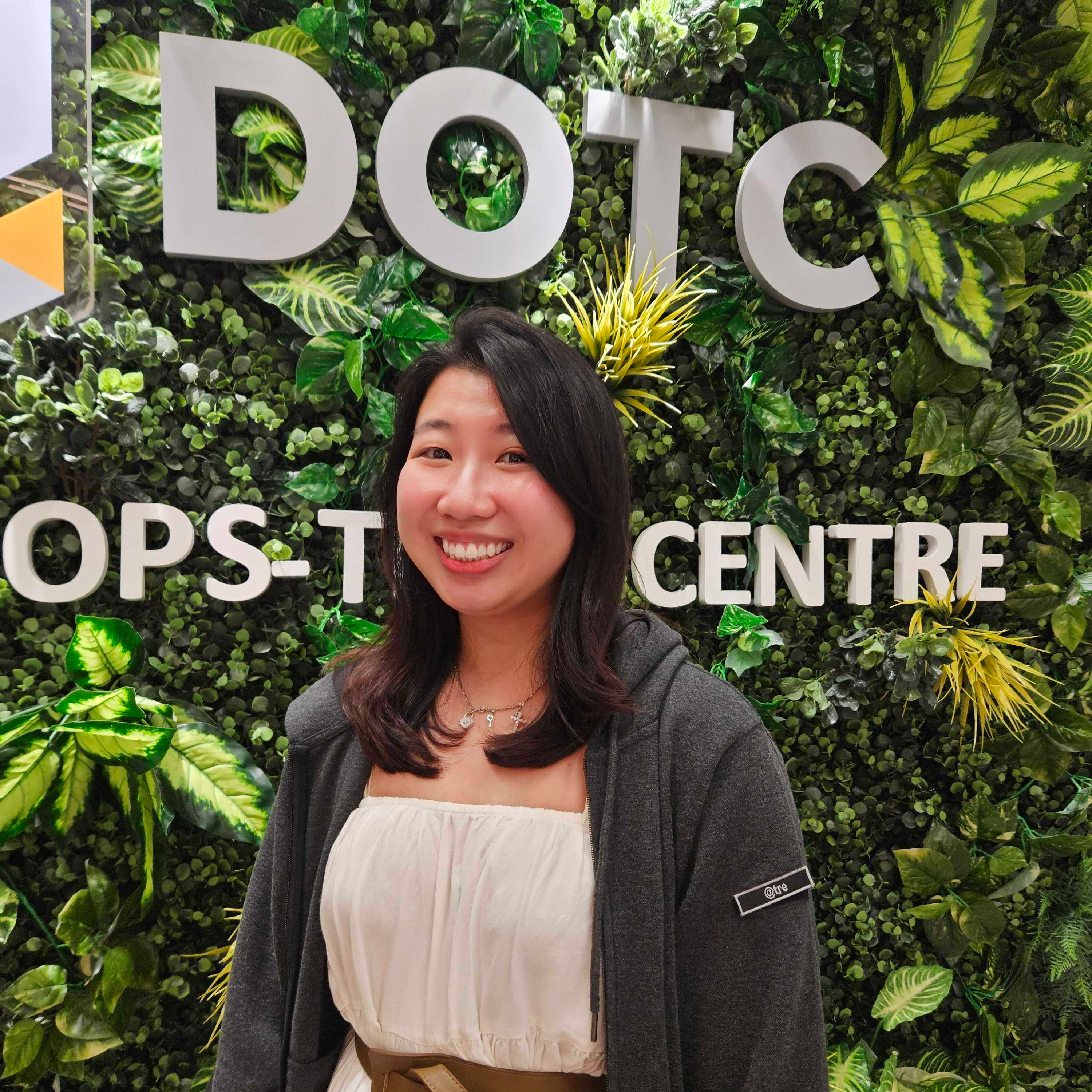
At DOTC, design isn’t just about making things look beautiful—it’s about creating meaningful, intuitive experiences that empower users and simplify complexity. In this edition of our Inside DOTC series, we spotlight Trena Lee, one of DOTC’s talented Product Designers whose multidisciplinary background in front-end engineering, branding, and marketing allows her to bridge creativity and functionality with ease.
From shaping user experiences in products like Pinpoint and Telepost, to finding inspiration in unexpected places like baking and knitting, Trena’s design philosophy is rooted in curiosity, empathy, and iteration. Her approach reminds us that great design isn’t just seen—it’s felt through how effortlessly it helps people achieve their goals.
Here’s a peek into how Trena brings that vision to life every day.
When starting a new design project, what specific steps do you take to lay a strong foundation—such as research, user analysis, or prototyping?
"I usually start by diving into research first – getting to know users, product goals, and the competitive landscape. Then, I create user personas and journey maps to uncover pain points and opportunities. With that direction, I sketch wireframes to share with the team for feedback, before validating ideas with users and moving into higher-fidelity designs.
I love the iterative nature of it—it’s like detective work: gathering “evidence,” forming a hypothesis, and piecing everything together. It ensures my design decisions are grounded in real insights and values, not assumptions."
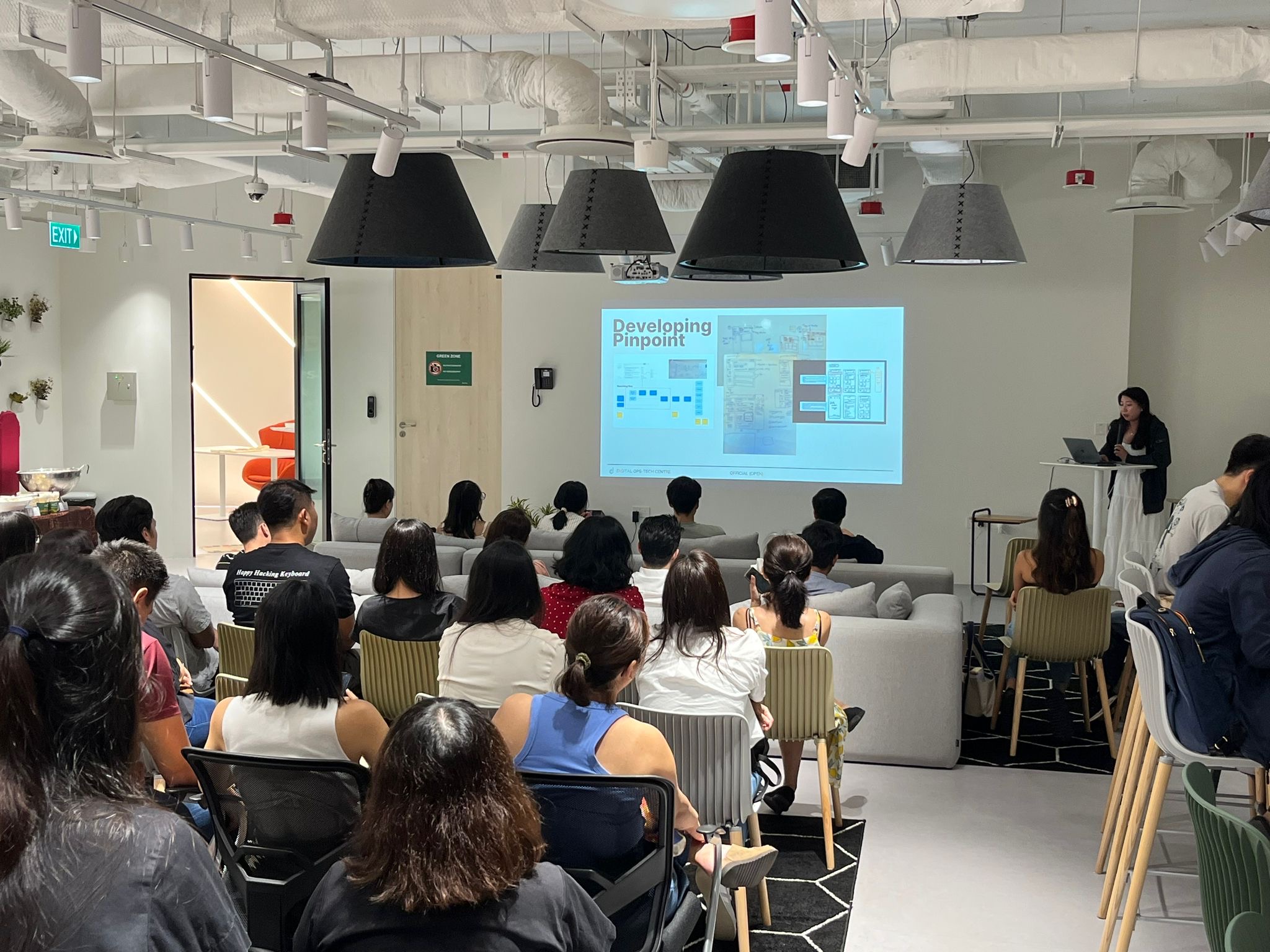
Can you share a design challenge you faced on a project like Pinpoint or Telepost, and how you approached and resolved it with innovative thinking?
"For Pinpoint, one challenge was adding new features without making the product feel bloated or complex. We wanted to balance what users need with what they want. Pinpoint was designed around flexible tagging instead of folders, but users still asked for folders out of habit.
After speaking to them, I realised the real need was for hierarchy and structure. So I designed a toggle that lets users switch between a folder view and a flat layer, giving them both organisation and flexibility. Instead of forcing users to adapt to tools, we design tools that adapt to people.
The next step is implementing this design—so keep an eye out for this feature soon!"
What distinguishes a timeless design from a trendy one, especially with current trends like Apple’s new Liquid Glass UI?
"A timeless design prioritises clarity and usability. Good design helps users achieve their goals easily—everything else is the “topping.”
Trends like Liquid Glass UI are exciting, and there’s no harm in using them as long as they don’t compromise the experience. Visual appeal attracts users, but usability keeps them. With solid foundations, you can always enhance and refresh the visuals over time."
With your diverse skillset spanning front-end engineering, branding, and marketing, how do you integrate these disciplines to create cohesive and impactful design solutions?
"My engineering background helps me understand technical feasibility and communicate better with developers. Branding and marketing come in handy when crafting copies or feature explainers to connect with users.
By combining these, I can design with trade-offs in mind—balancing what’s desirable for users with what’s technically achievable. It helps me be a bridge between users and engineers, ensuring the end result looks good, works well, and resonates."
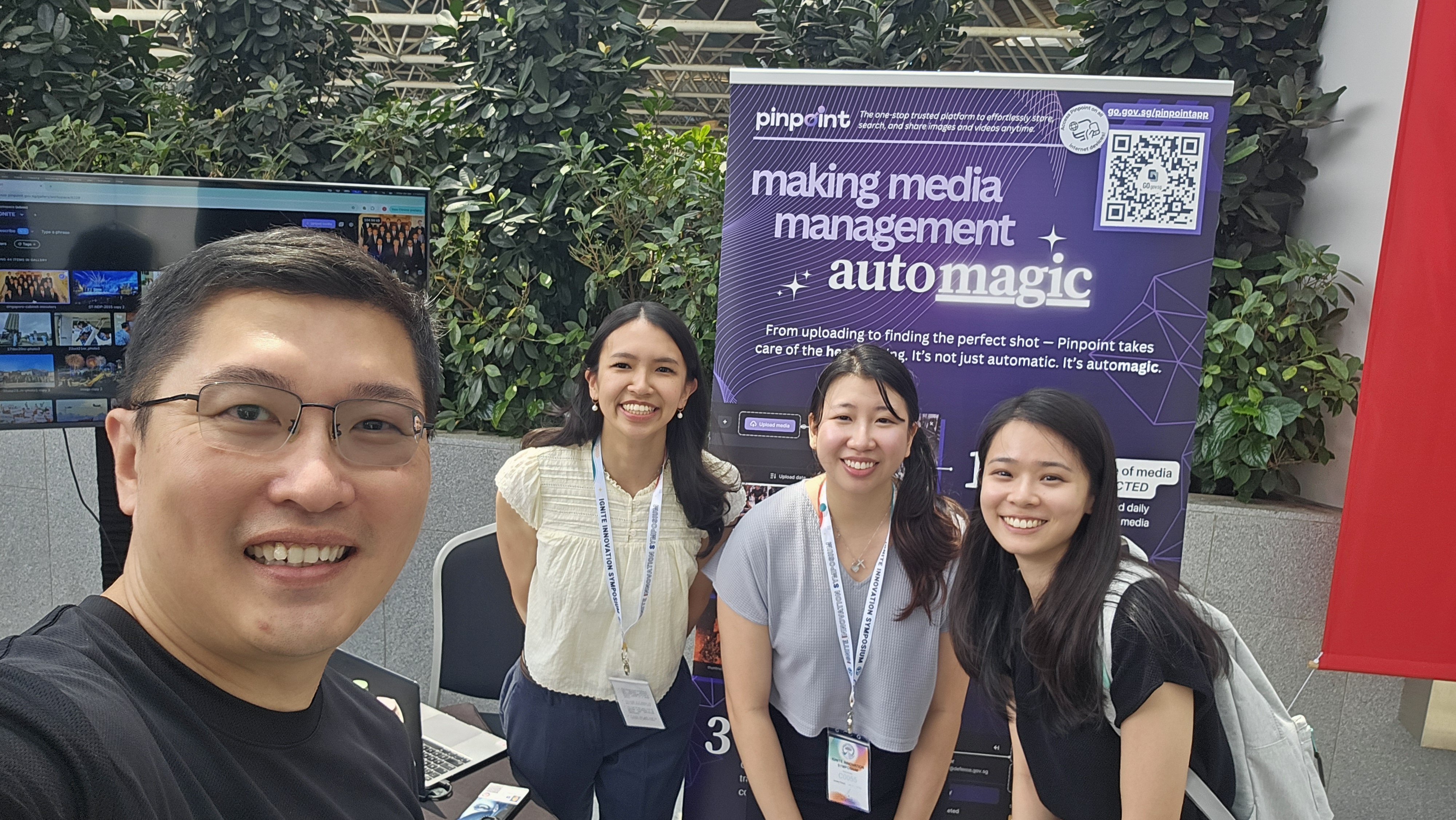
Reflecting on DOTC products, how did you utilize user feedback to improve the experience for a diverse range of users?
"We actively gather feedback through usability tests, surveys, and interviews. On Pinpoint, we found that different teams managed media in unique ways, so we focused on features that accommodate varied workflows without overwhelming users.
For Telepost, having direct access to our main user group helped us design with their real workflows in mind, ensuring each feature serves a clear purpose."
How do you measure the success of your designs after launch?
"Success is measured both quantitatively and qualitatively—tracking clicks, feature usage, and direct user feedback.
But one of my favourite signs of success is when users navigate new features smoothly without asking how to use them. Seeing that natural ease in real-life usage makes me happiest—it shows the design is intuitive and truly working for them."

Outside of work, I understand you enjoy hobbies like baking and knitting—how do these activities influence your creativity and approach to design?
"People often see these as purely creative hobbies, but both are deeply logical. Baking relies on precision and understanding how ingredients work together, while knitting, interestingly, mirrors coding with its patterns of knits and purls like 0s and 1s.
Both require experimentation and iteration—sometimes you have to undo and redo to get it right. It’s the same in design: going back to refine, balance, and perfect. They teach me patience and remind me that creativity thrives within structure."
If you could design a product for any fictional character or universe, who would it be and what would it do?
"I’d love to design for the Harry Potter universe. With their magical interfaces—moving newspapers, talking portraits, and interactive spaces—it’d be fascinating to see how design could enhance those experiences.
Imagine a wand-based interface where wizards could instantly search spells or potions and get real-time guidance. It’d be a magical blend of UX and spellcasting!"
Trena’s journey is a testament to how design thrives at the intersection of creativity, logic, and empathy. Whether reimagining user experiences in Pinpoint, or blending insights from engineering and marketing, her work embodies DOTC’s spirit of innovation and collaboration.
Every product she shapes reflects thoughtful design and genuine user understanding—because for Trena, great design isn’t just functional; it’s human.
Interested in shaping experiences that matter? Join DOTC and be part of a team designing the future, one pixel at a time..
test