
Articles
We Came for the Conference, But Ended Up with Some Side Quests
23 October 2026
Our Experience at Future Product Days 2026
Three of us from the Digital Ops-Tech Centre (DOTC) touched down in Denmark not entirely sure what to expect. We knew the conference would be good. We did not expect the country itself to quietly become just as memorable.
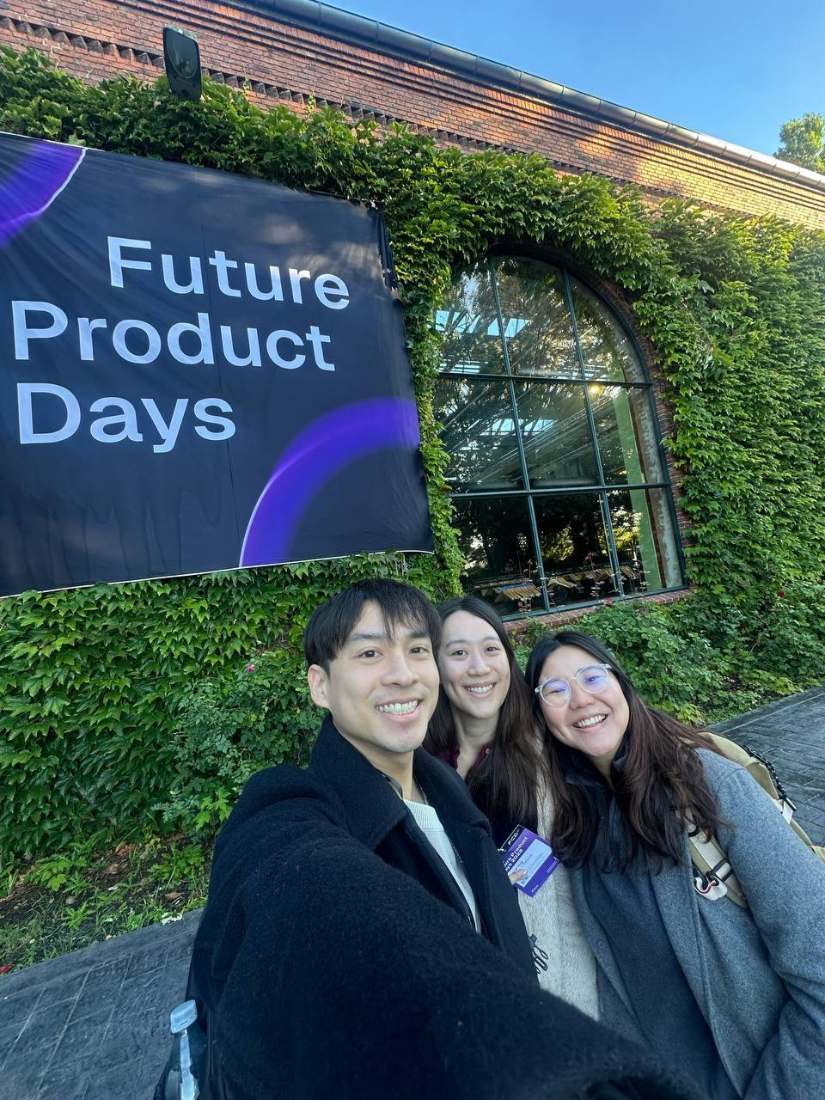
The Conference: Ideas that Actually Stuck
Future Product Days 2026 brought together product managers, designers, engineers, and AI practitioners from across the world — and the energy in the room reflected that diversity of perspective. What struck us most was the tone of the conversations around AI. In a landscape where it can feel like every event is a race to celebrate the next capability, this conference took a more grounded stance: AI is a means, not an end. The real work lies in using it to move faster without losing sight of the human-centred thinking that makes products genuinely worth building.
Rapid prototyping came up again and again, and for good reason. The argument was simple but compelling — a rough prototype in someone's hands will always spark a richer conversation than the most polished slide deck. It is a principle that sounds obvious until you realise how rarely it is actually practised.
The leadership sessions hit differently. One idea in particular landed with all three of us: the busiest person in the room is not necessarily the best leader. Real leadership, the kind that actually moves teams forward, looks less like individual heroics and more like creating enough clarity that everyone around you can do their best work. It was a timely reminder, and one we found ourselves returning to in conversation long after the session ended.
Catching keynotes from Shazam founder Chris Barton and the godfather of user-centred design Don Norman was a genuine highlight. Both brought a rare combination of depth and accessibility to their talks — the kind that fills your notebook and leaves you with more questions than answers, in the best possible way. We left the conference with full notebooks, fuller camera rolls, and a long list of ideas to bring back to the team.
Food: From Eye-watering Prices to Warm, Unexpected Finds
Denmark was not shy about reminding us that we were far from home — particularly when it came to the bill. Even a casual café meal hovered around what we would pay back in Singapore, and that was before you factored in the 9% GST. Clothes and the famously beautiful Danish furniture were, for the most part, strictly for admiring.
But the food itself? Entirely worth exploring. Surrounded by bakeries at every turn, we threw ourselves into a thoroughly unscientific survey of cardamom buns, BMOs, and artisanal pastries. Wandering through the local markets turned out to be an unexpected highlight — stalls piled high with colourful vegetables, sweet fruits, and fresh seafood that simply do not make it to Singapore in the same form. We ate our way through with no regrets.
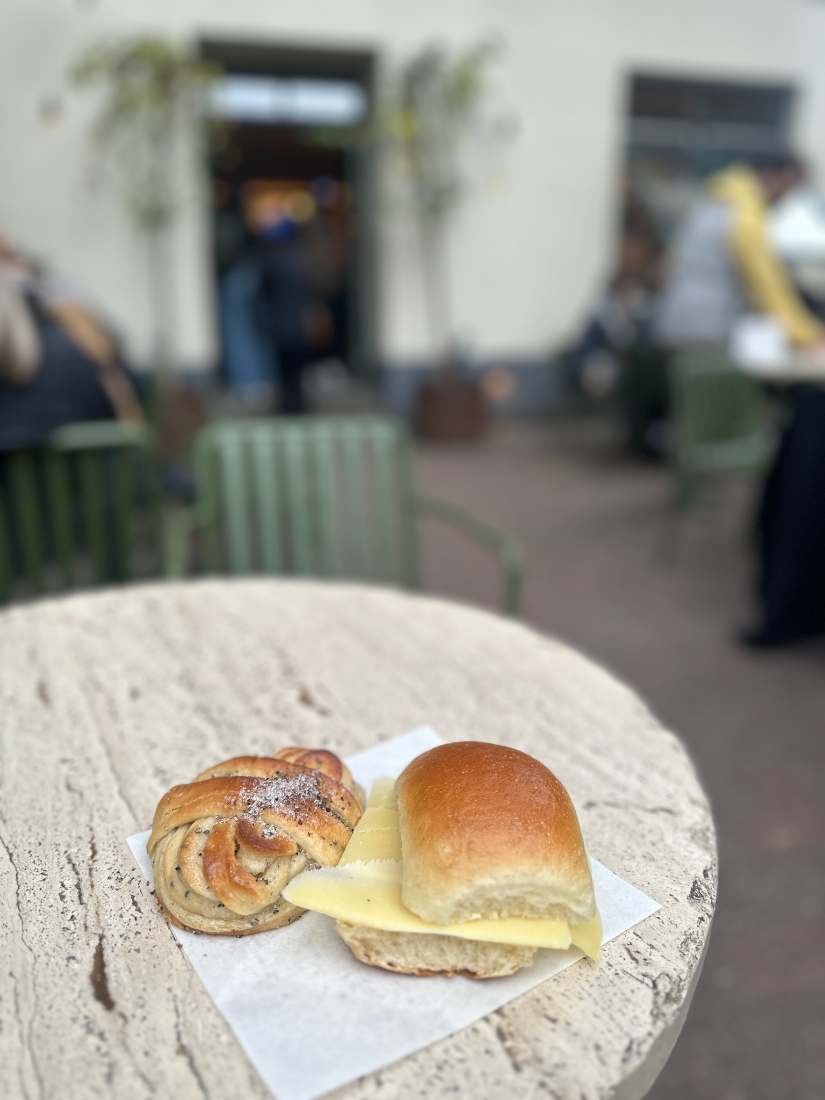
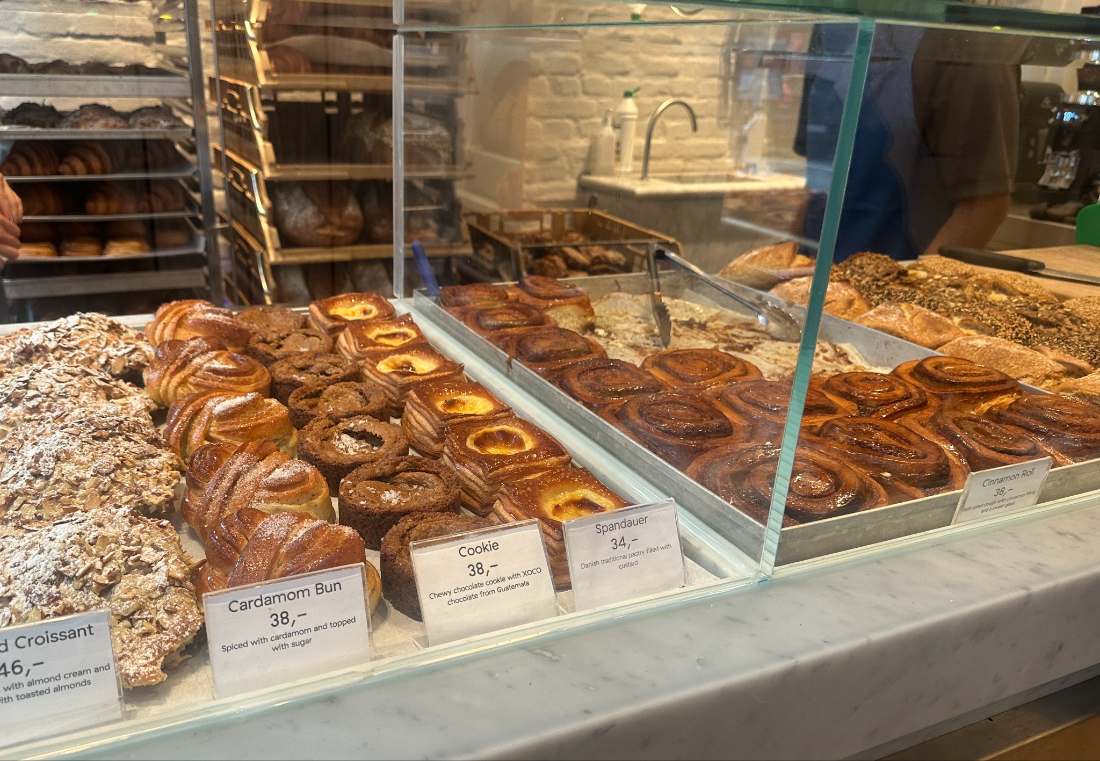
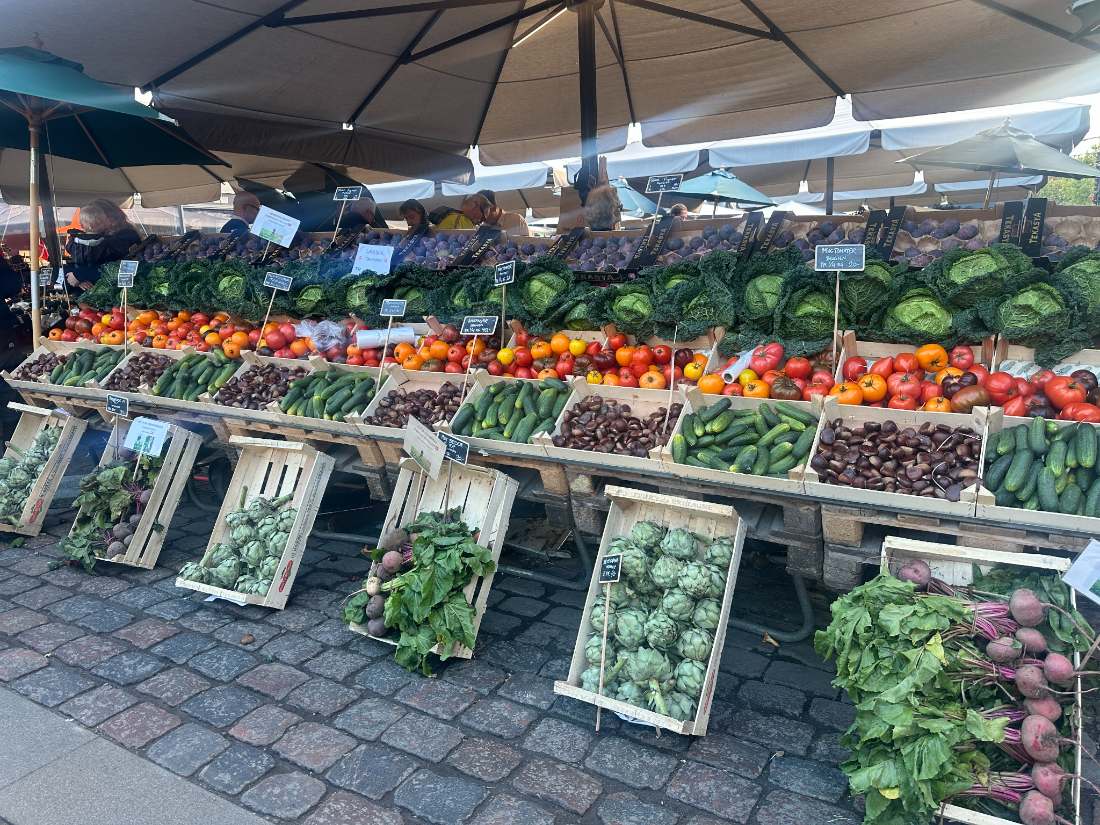
Bakeries and fresh produce at the local farmer’s market
Culture: Looking for Danish Happiness
The prices had us curious. How does a country this expensive consistently rank among the happiest in the world? We decided to find out, and the Happiness Museum turned out to be a surprisingly thoughtful place to start. Life satisfaction, we learnt, is shaped by far more than income or relationships. Physical and mental health, access to education, and the security of a robust welfare system all play significant roles. The average Dane pays around 50% of their income in taxes — and around 80% of them are willing to do so. Sitting with that statistic for a moment, Denmark's reputation started to make a great deal more sense.
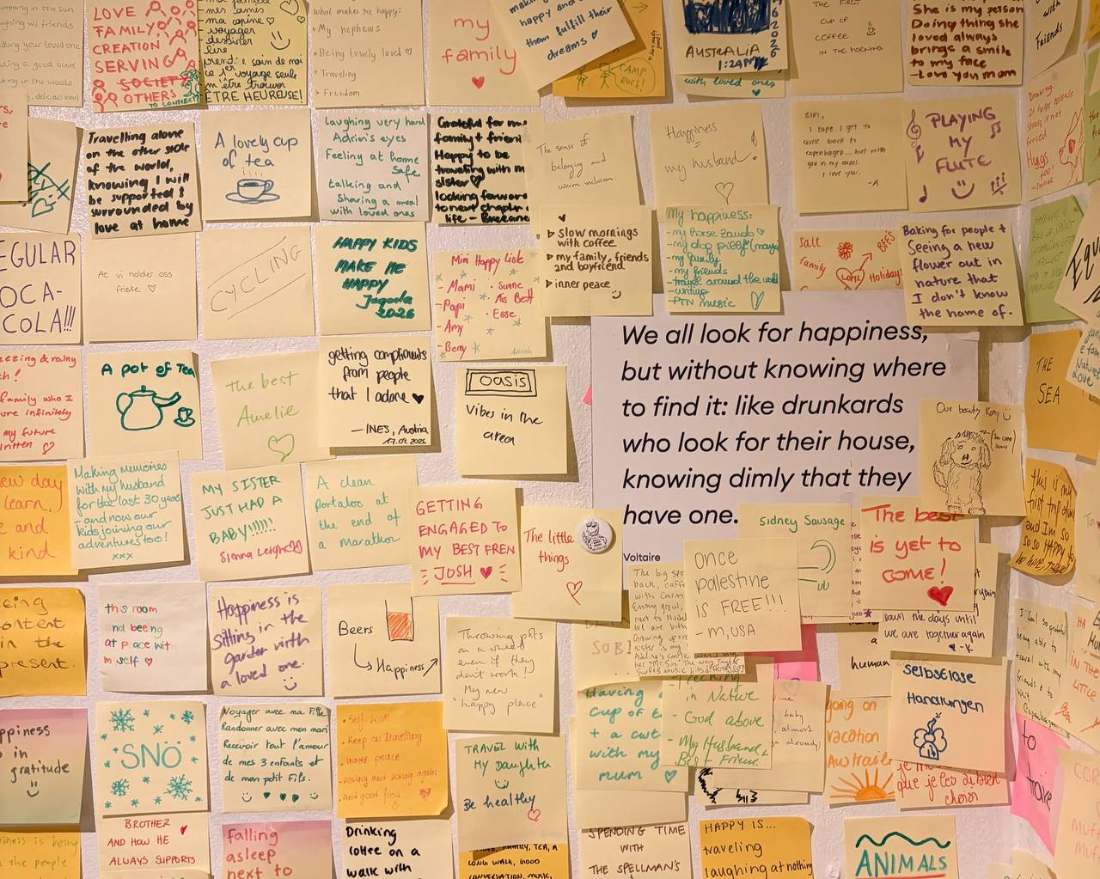
Sticky notes covering a room at the Happiness Museum, with visitors sharing what makes them happy
We got another glimpse into Danish life at Absalon, a community space that hosts regular communal dinners open to anyone. We joined a table of locals and fellow travellers, and found that conversation came easily among strangers. There was a warmth and openness to the evening that felt genuinely different — less transactional, more present. It was the kind of experience that is difficult to plan for and impossible to replicate, and it stayed with us.
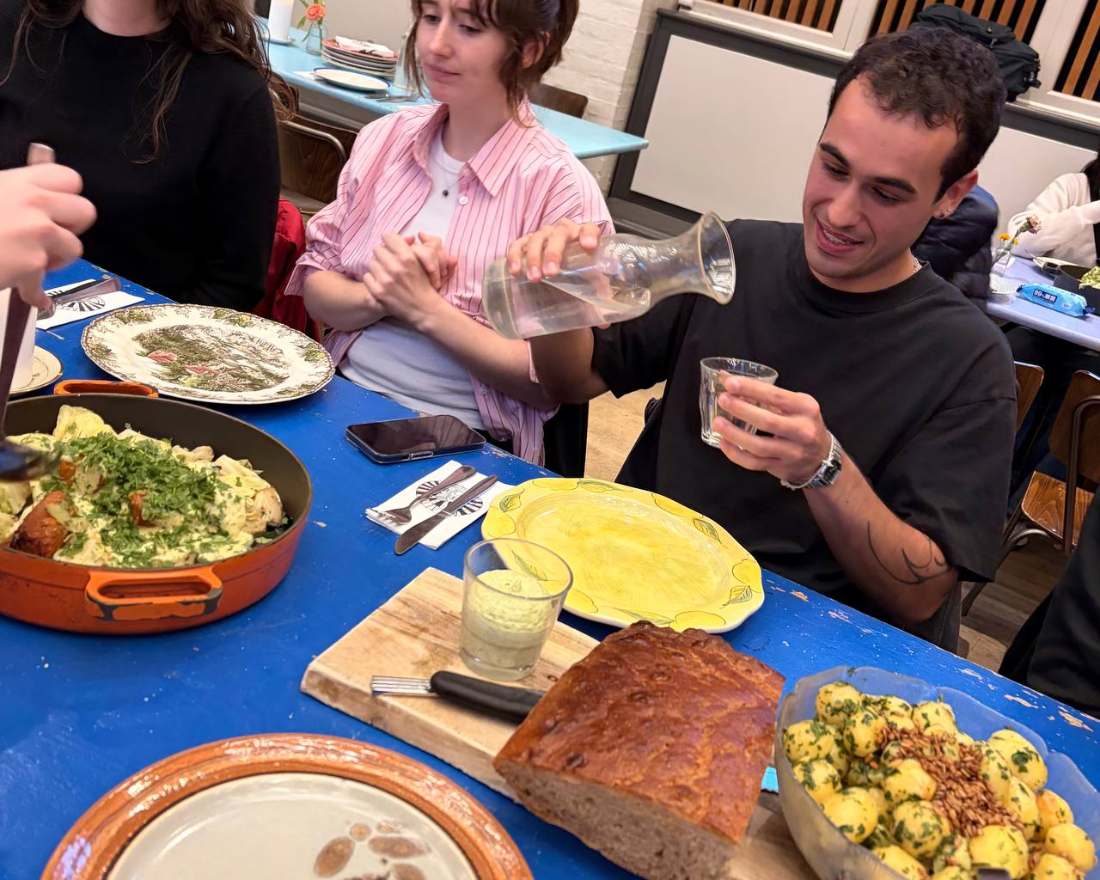
Sharing a meal with fellow diners at Absalon
More Than the Sum of Its Sessions
Trips like this one are easy to measure by the sessions attended or the contacts made. But some of the most valuable things we brought back were harder to quantify — a shift in how we think about leadership, a renewed appreciation for getting ideas in front of people quickly, and a small but meaningful reminder that the cultures we encounter on the road have as much to teach us as the conferences we attend.
At DOTC, we are fortunate to have the opportunity to learn in environments like these. The challenge — and the privilege — is making sure that what we discover along the way finds its way back into the work.
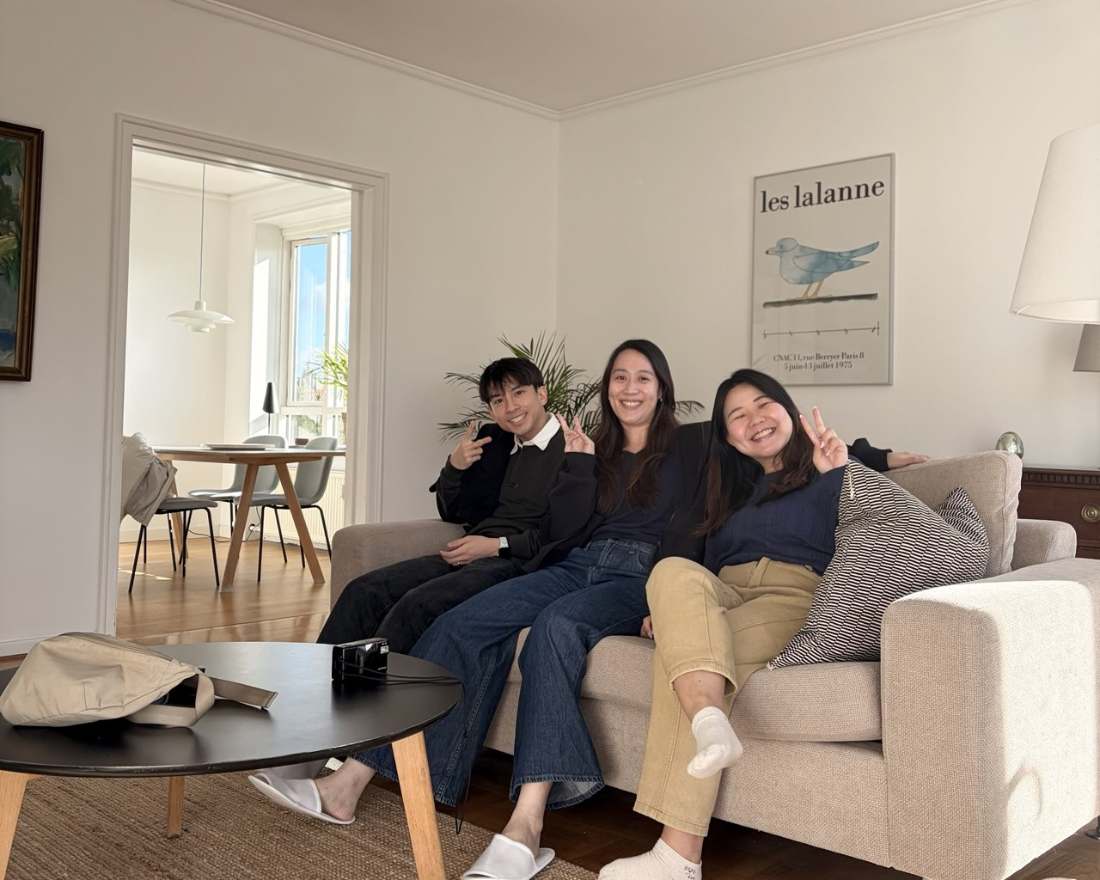
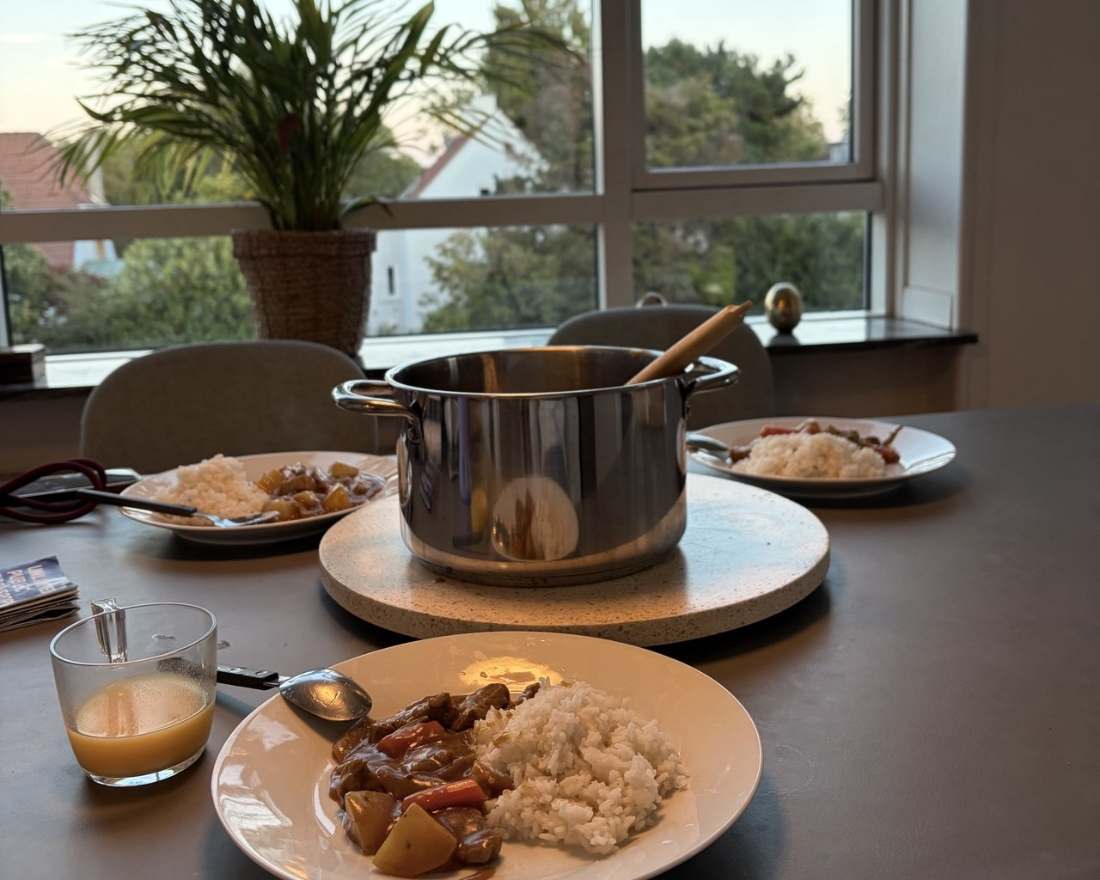
Us in our cosy Airbnb in Denmark!
Written by Sheryl, Jodie and Jiahua